
Navigating the Beautiful Complexity of Cross-Cultural Romance
Cross-cultural relationships between American men and Latin women are deeply rewarding - but they come with a learning curve that catches many men off guard. The cultural differences in dating norms, family expectations, communication styles, and expressions of affection are real, and understanding them before you begin your journey through Latin women dating can mean the difference between a flourishing connection and a frustrating misunderstanding. This guide breaks down the most significant cultural gaps you will encounter and gives you practical strategies to bridge each one with respect, patience, and genuine curiosity.
Whether you are drawn to the passionate expressiveness of Argentinian women, the warm family-centered values of Central American singles, or the vibrant energy of Caribbean dating culture, every cross-cultural romance requires a willingness to step outside your comfort zone. The men who thrive in these relationships are not the ones who expect their Latina partner to fully assimilate into American culture - they are the ones who embrace the beautiful blending of two worlds into something entirely new.
Key Dating Culture Differences You Need to Understand
Time and Punctuality Expectations
One of the first cultural shocks American men experience when dating Latin women is the relationship with time. In the United States, punctuality is a sign of respect - arriving on time or even five minutes early is standard. In most Latin American countries, the concept of time is significantly more flexible. Showing up 15 to 30 minutes "late" to a social engagement is perfectly normal and carries no disrespect.
This difference extends to dating. If your Latina partner says she will be ready at 7:00 PM, she may appear at 7:30 or even 7:45. This is not carelessness - it is a cultural norm rooted in prioritizing the quality of preparation and the enjoyment of the moment over rigid schedules. In countries like the Dominican Republic and Colombia, this relaxed approach to time reflects a broader cultural philosophy: life is to be savored, not rushed.
Family Involvement in Relationships
In American dating culture, introducing a partner to your family typically happens months into a relationship and is considered a significant milestone. In Latin America, family involvement begins much earlier and runs far deeper. Meeting her parents, siblings, aunts, uncles, and even close family friends may happen within the first few weeks of a serious connection - sometimes even on the first in-person visit.
This is not a red flag. It is the highest form of trust. In Latin culture, la familia is the center of a woman's life. Bringing you into that circle means she sees genuine potential in your relationship. Her mother's opinion of you matters. Her father's approval carries weight. If her grandmother invites you to Sunday lunch, consider it the equivalent of a marriage endorsement.
American men who resist this closeness or view it as "too fast" often unknowingly damage the relationship. The key is to embrace it: greet everyone warmly, bring a small gift for the host, compliment the food, and show genuine interest in family stories. Your relationship with her family directly shapes your relationship with her.
Gender Roles vs. Modern Equality
Latin American culture historically embraces more defined gender roles than contemporary American society. Many Latin women appreciate - and even expect - traditional expressions of chivalry: the man opens doors, pays for meals, offers his jacket, and takes the lead in planning dates. This is not about submission; it is about complementary partnership where both people play valued roles.
However, it is critical not to generalize. Urban Latin women in cities like Buenos Aires, Santiago, or San José, Costa Rica are highly educated professionals who balance traditional family values with modern independence. A woman from Medellín may be a software engineer by day and prepare her grandmother's bandeja paisa recipe for Sunday dinner with equal pride in both roles.
The sweet spot for American men is respecting traditional courtship gestures - paying for dates, being protective, and showing initiative - while also treating her as an equal intellectual and emotional partner. She wants to feel valued for her mind as much as her warmth.
Religious and Holiday Traditions
Catholicism shapes the cultural fabric of most Latin American countries, even for women who do not attend Mass regularly. Religious holidays like Semana Santa (Holy Week), Día de los Muertos in Mexico, Navidad (Christmas), and patron saint festivals carry deep emotional and social significance that goes far beyond simple celebration.
As an American man dating a Latin woman, you will be expected to participate in - or at minimum respect - these traditions. Christmas in Latin America is a multi-day affair centered around Nochebuena (Christmas Eve) with extended family gatherings, special foods like tamales or pernil, and midnight celebrations. Easter may involve solemn processions and family reunions that last the entire week.
Even if you come from a secular background, showing genuine interest and willingness to participate demonstrates respect for her identity. You do not need to convert - but you do need to honor the traditions that shaped the woman you love.
Food and Dining Etiquette
Food is the love language of Latin America. When her mother cooks for you, eating generously and praising the meal is not politeness - it is essential. Refusing food or eating sparingly can be interpreted as rejection. When she cooks for you at home, the appropriate response is always enthusiastic appreciation, seconds, and specific compliments about individual dishes.
Dining in Latin culture is also slower and more communal than the typical American meal. Lunches can last two hours. Dinner may not start until 9:00 or 10:00 PM in countries like Argentina and Colombia. Conversation flows freely throughout the meal, and leaving the table immediately after eating is considered abrupt.
One practical tip: learn to appreciate new flavors. Latin American cuisine varies dramatically by country - from the ceviches of Peru to the pupusas of El Salvador to the churrasco of Brazil. Showing willingness to try her country's food, ask about ingredients, and even learn to cook a dish together creates powerful bonding moments that transcend language barriers.
PDA and Affection Norms
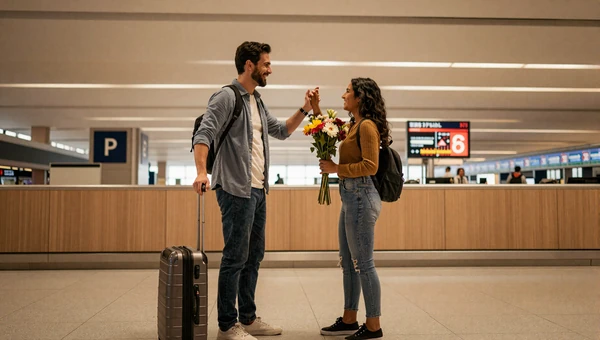
Public displays of affection in American culture tend to be restrained - a quick peck, holding hands, maybe an arm around the shoulder. In Latin America, physical affection is expressed far more openly and frequently. Kissing, hugging, holding hands, walking arm-in-arm, and sitting closely together in public are completely normal and expected in romantic relationships.
Latin women express love physically and expect the same from their partners. If you are naturally reserved about PDA, this is an area where you will need to stretch. A Latina woman may feel unloved or rejected if you pull away from her touch in public, even if your discomfort is purely cultural. Conversely, matching her warmth signals emotional safety and deepens physical and emotional intimacy.
The affection extends beyond romantic touch. Latin greetings involve a kiss on the cheek (sometimes both cheeks), warm hugs for friends and acquaintances, and consistent physical closeness during conversation. As her partner, you will be greeted this way by her friends and family too - and reciprocating warmly earns immediate trust.